
SaaS Security Posture Management Explained
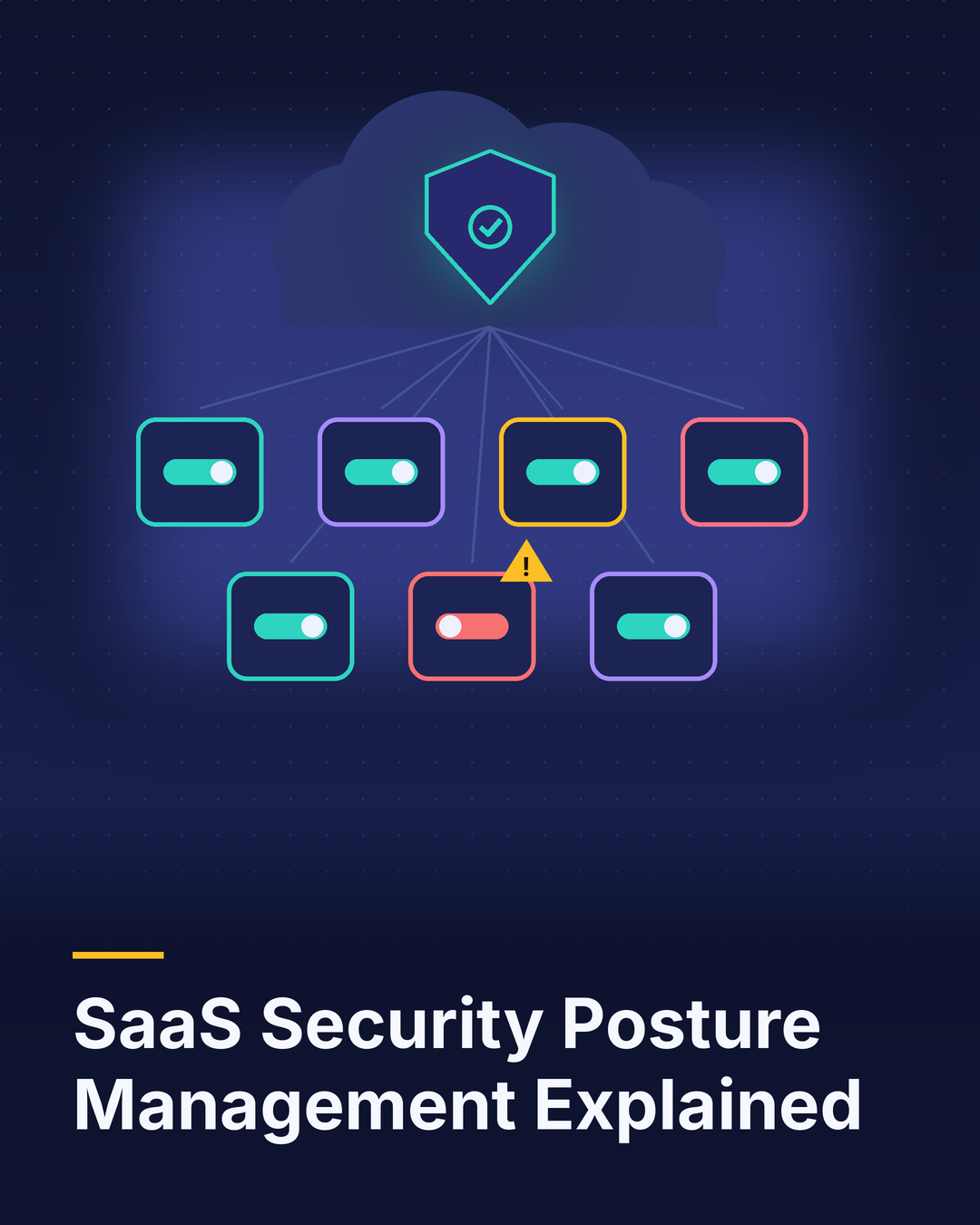
The average organization now runs on dozens or even hundreds of SaaS applications: email and collaboration suites, CRM, HR systems, file sharing, finance platforms, developer tools and a growing number of AI services. These applications hold some of the company’s most sensitive data. Yet security for them often depends on hundreds of individual settings, configured by different administrators, changed over time and rarely reviewed.
SaaS security posture management, or SSPM, emerged to address that gap. Here’s what it is, why it matters and how to evaluate it.
The problem SSPM solves
Under the shared responsibility model, SaaS vendors secure their infrastructure, but customers are responsible for how they configure and use the application. That includes who has access, how data can be shared, which integrations are allowed and whether security features are turned on.
Common problems include:
- Misconfigurations, such as public file sharing enabled by default, weak password policies or MFA not enforced
- Excessive permissions, including too many administrators and users with access they no longer need
- Risky integrations, where third-party apps and AI tools connected through OAuth have broad access to email, files or data
- Dormant accounts belonging to former employees or contractors that were never fully removed
- Configuration drift, where settings that were secure at launch weaken over time as administrators make changes
Attackers actively target these weaknesses. A single exposed sharing link, stale admin account or over-permissioned integration can expose large volumes of sensitive data without any malware involved.
What SSPM does
SSPM platforms connect to your SaaS applications through APIs and continuously assess their security posture. Core capabilities typically include:
Continuous configuration monitoring. Settings are checked against security best practices and frameworks, with alerts when something is misconfigured or changes.
Identity and access visibility. SSPM shows who has access to what across applications, highlighting excessive privileges, inactive users and external accounts.
Third-party app and integration discovery. It identifies connected apps, browser extensions and AI tools, along with the permissions they’ve been granted.
Prioritized remediation. Findings are ranked by risk, with guidance on how to fix them, and some platforms can remediate issues automatically.
Compliance mapping. Configurations are mapped to frameworks and regulations to support audits.
Threat detection. Many SSPM tools now include identity threat detection, flagging suspicious logins, unusual data downloads or privilege changes.
How SSPM fits with other tools
SSPM complements rather than replaces other security tools. Cloud security posture management focuses on infrastructure platforms. Cloud access security brokers focus on controlling data and access in transit. Identity providers manage authentication. SSPM fills the gap by examining how each SaaS application itself is configured and connected.
Evaluating SSPM
When comparing platforms, consider:
- Coverage of the applications most critical to your business
- Depth of checks for each application, not just the number of integrations
- Third-party app and AI visibility
- Quality of remediation guidance and automation options
- Integration with your identity provider, ticketing system and security operations tools
- Usability for both security teams and SaaS application owners
Getting started
Start with your highest-risk applications, typically email, file storage, CRM, HR and finance systems. Fix critical findings first, assign clear ownership to application administrators and build continuous monitoring into your operations.
The bottom line
SaaS applications hold your most valuable data, but their security depends on settings that are easy to get wrong and hard to track. SSPM gives security teams continuous visibility and control, closing one of the most overlooked gaps in modern security programs.